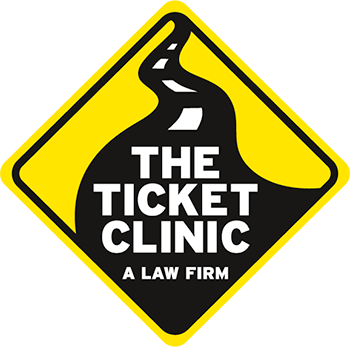
Beginning July 1, a new Florida law known as Isaiah’s Law (House Bill 35) officially changes how the state treats certain repeat traffic offenders.
The law expands Florida’s definition of a Habitual Traffic Offender (HTO) and increases the likelihood that repeat offenders could face felony charges if they continue driving after receiving an HTO designation. The legislation was named in memory of 18-year-old Isaiah Raposa, who was killed in a hit-and-run crash in Hillsborough County.
While many Florida drivers will never be affected by this law, those who repeatedly drive without a valid license or commit serious traffic offenses could now face much harsher consequences.
Here’s what the new law means.
What Is Isaiah’s Law?
House Bill 35, commonly known as Isaiah’s Law, amends Florida’s Habitual Traffic Offender statute by adding another offense that can count toward becoming an HTO.
Previously, several serious traffic-related convictions could trigger Habitual Traffic Offender status. As of July 1, repeated convictions for driving without a valid driver’s license now also count toward that designation.
The goal of the legislation is to target drivers who repeatedly ignore licensing laws and continue driving despite prior convictions.
What Is a Habitual Traffic Offender?
A Habitual Traffic Offender (HTO) is a driver who accumulates a specific number of qualifying convictions within a five-year period.
Under Florida law, a person generally becomes an HTO after accumulating three qualifying convictions within five years for certain serious offenses, including:
- Driving without a valid driver’s license (new under Isaiah’s Law)
- Leaving the scene of a crash involving injury or death
- Driving a commercial motor vehicle while disqualified
- Other serious offenses listed in Florida’s HTO statute
Florida law also allows HTO designation when a driver accumulates numerous convictions for other qualifying moving violations within a five-year period, even if they don’t involve the same offense.
What Changed Under HB 35?
The biggest change is straightforward.
Driving without a valid driver’s license now counts as one of the qualifying offenses toward Habitual Traffic Offender status. This covers a gap in the previous law.
Before Isaiah’s Law, many repeat unlicensed drivers avoided HTO designation because that offense wasn’t included among the qualifying convictions.
Now, someone convicted three or more times within five years for driving without a valid license could be designated as a Habitual Traffic Offender by the Florida Department of Highway Safety and Motor Vehicles.
What Happens If You’re Declared a Habitual Traffic Offender?
Being designated as a Habitual Traffic Offender carries serious consequences.
Among them:
- Revocation of your driving privilege
- Long-term loss of driving privileges
- Difficulty obtaining a hardship license in many situations
- If you continue driving after being designated an HTO, you may be charged with a third-degree felony, which can carry prison time, probation, and significant fines.
In other words, the designation itself isn’t a criminal conviction—but driving after receiving that designation can quickly become one.
Will Isaiah’s Law Make Florida Roads Safer?
That’s the question lawmakers hope the answer will be “yes.”
Supporters argue the law closes a loophole that allowed repeat unlicensed drivers to continue driving with relatively few escalating consequences. The thinking is that stronger penalties will discourage habitual offenders from getting behind the wheel without proper licensing, reducing the number of dangerous drivers on Florida roads.
Whether the law ultimately improves roadway safety will depend on several factors, including:
- How consistently it’s enforced
- Whether it deters repeat offenders
- Whether it reduces crashes involving unlicensed drivers
Like many traffic safety laws, its long-term effectiveness will likely become clearer as crash and citation data are analyzed over the coming years.
What Should Drivers Take Away?
For most licensed Florida drivers, Isaiah’s Law won’t change anything about everyday driving.
However, it serves as an important reminder that repeatedly driving without a valid license can now have much more serious consequences than it did in the past.
If your license has expired, been suspended, or revoked, it’s generally far better to address the underlying issue than to continue driving and risk additional convictions.
What If You Receive a Traffic Ticket?
Every traffic citation doesn’t automatically make someone a Habitual Traffic Offender. However, repeated convictions can add up over time.
If you’re cited for driving without a valid license or another serious traffic offense, it’s important to understand the potential long-term consequences before simply accepting a conviction.
In many cases, paying a citation is treated as an admission of guilt, and the resulting conviction could become part of your driving history.
If you’re concerned about how a traffic ticket could affect your license or whether it could contribute toward Habitual Traffic Offender status, speaking with an experienced Florida traffic ticket attorney can help you understand your legal options before making a decision.
The Bottom Line
Isaiah’s Law reflects Florida’s continued effort to crack down on repeat traffic offenders by expanding the state’s Habitual Traffic Offender law.
For drivers who repeatedly ignore licensing requirements, the stakes are now significantly higher. And for everyone else, it’s another reminder that taking care of traffic citations and license issues early may help avoid much more serious consequences down the road.